
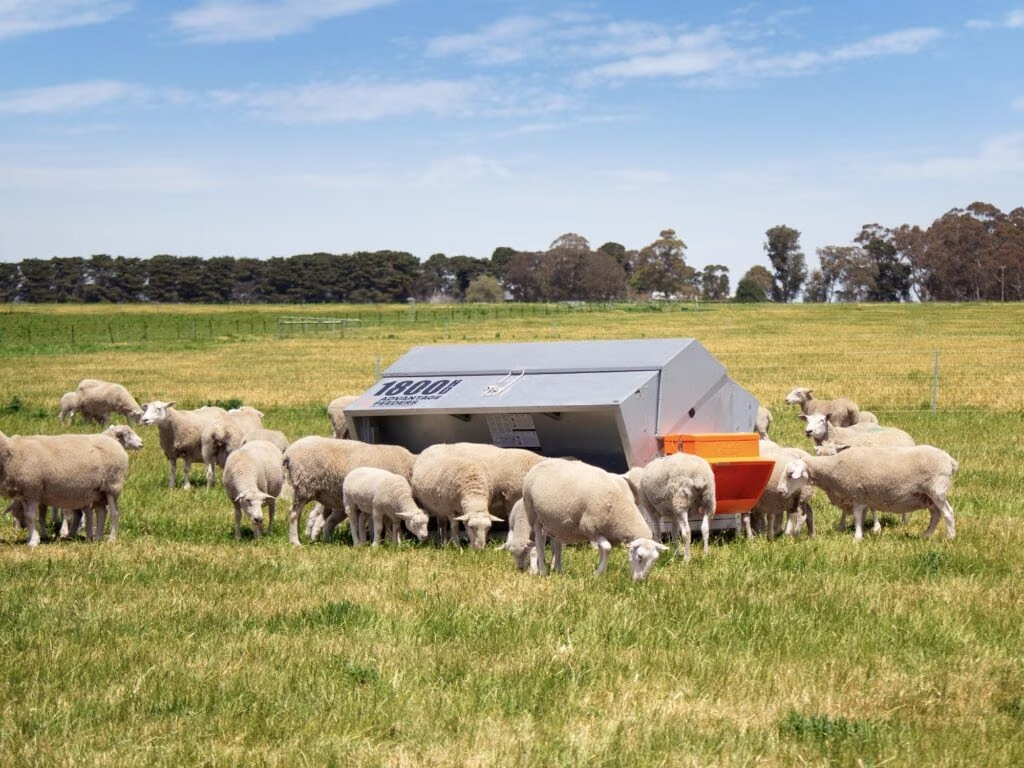
By October, grass growth is slowing on many UK farms. There may still be plenty of green in the fields, but shorter days, falling soil temperatures and wetter conditions can make it harder to keep store lambs and young cattle growing.
It’s a time of year when keeping an eye on grass availability, stock condition and liveweight gain becomes particularly important. Identifying a feed shortage early is generally easier than trying to make up for lost growth later in the winter.
Don’t Judge Autumn Grass by Appearance Alone
One of the challenges with autumn grazing is that grass can look plentiful without necessarily providing enough feed.
After prolonged rainfall, grass dry matter content can be low. Livestock then need to consume more fresh grass to get the same amount of dry matter, which isn’t always possible when grazing availability is limited.
Grass covers, ground conditions and regular weighing will tell you more than appearance alone.
If lambs or young cattle are falling behind their target growth rates, it’s worth checking both the available grazing and their general health before deciding whether additional feed is needed.
Keeping Store Lambs Growing
For farmers carrying store lambs through autumn, the priority is often to keep them growing without letting feed costs outweigh the benefit.
Not every group will need concentrates. Lambs on good-quality grass may continue growing well without additional feed, while others on shorter or poorer pasture may benefit from supplementation.
Regular weighing helps identify which groups need attention and avoids feeding unnecessarily where lambs are already performing well.
Where concentrates are needed, introduce them gradually and make sure lambs have sufficient forage.
Little and Often Rather Than Large Feeds
How concentrates are offered can affect rumen conditions.
Large meals of starch-rich feeds can cause rapid changes in rumen acidity. Smaller, more frequent meals may help moderate these fluctuations, provided the overall diet contains enough effective fibre.
This is something we’ve explored through our feeding trials at Advantage Feeders.
In one published sheep trial, animals achieved the same liveweight gain while consuming 45% less supplementary feed than the comparison group.
That’s a notable result from that particular trial, although it shouldn’t be taken as a typical saving. Results will depend on the livestock, forage, concentrate ration and feeding management.
It does highlight why it’s worth keeping track of how supplementary feed is delivered and how much stock are actually consuming.
You can read more on our Trial Results page.
Don’t Overlook Young Cattle at Grass
Young cattle can also experience a growth check as autumn grazing declines.
Whether they’re store cattle, dairy-beef youngstock or replacement heifers, they still need enough energy and protein to meet their growth targets.
Regular weighing is particularly useful where cattle are expected to reach certain weights before housing or breeding.
If growth is below target, start by looking at forage supply, diet quality and animal health rather than assuming more concentrate is always the answer.
Supplementary feeding may help where there’s a nutritional shortfall, but it needs to be balanced with the forage already available.
When introducing grain or pellets, build quantities gradually to allow the rumen to adapt. This is especially important when cattle are moving from grazing to winter rations.
Feed the Shortfall, Not Just the Calendar
It’s easy to start supplementary feeding at the same time every autumn, but grass conditions can vary considerably between farms and from year to year.
A mild autumn with good grass covers may allow stock to graze for longer without extra feed. A wet autumn, particularly on heavier ground, can bring feeding decisions forward.
Before introducing or increasing supplementary feed, consider:
- Available grass: How much grazing remains, and how long is it likely to last?
- Livestock performance: Are lambs and cattle meeting their growth targets?
- Animal health: Could parasites or other health problems be affecting growth?
- Feed costs: Is the expected benefit of supplementation worth the additional expense?
- Ground conditions: Can fields continue to be grazed without excessive poaching?
These checks can help avoid feeding too early, too late or at unnecessarily high rates.
Make Sure Supplementary Feed Is Being Used Well
Once supplementary feeding starts, it’s worth monitoring how much concentrate each group is getting through.
Intake can increase as grass availability declines, so feeding rates may need reviewing as autumn progresses.
Where feeders are used, make sure all animals have suitable access, particularly where there’s competition between larger and smaller stock. Check feed for spoilage and keep clean water available.
It’s also worth watching the ground around feeding areas. Moving feeders where practical can help reduce poaching and maintain access during wet weather.
For anyone wanting to look more closely at supplement use, growth and feeding costs, we have further information sheets and feeding trial results available on our website.
Looking Ahead to Winter
Autumn is about making the most of the grass that’s left while keeping stock on track for the months ahead.
Some groups will manage well on grazing alone. Others may need additional feed sooner, particularly if ground conditions deteriorate or growth rates start to slip.
The important thing is to keep reviewing what’s happening in the field rather than assuming last year’s feeding plan will suit this year.
Regular checks on grass availability, liveweight gain, animal health and feed consumption can go a long way towards keeping sheep and young cattle growing without unnecessary feeding costs.